
Coordination Between Maintenance and Operations: A Delicate Balancing Act
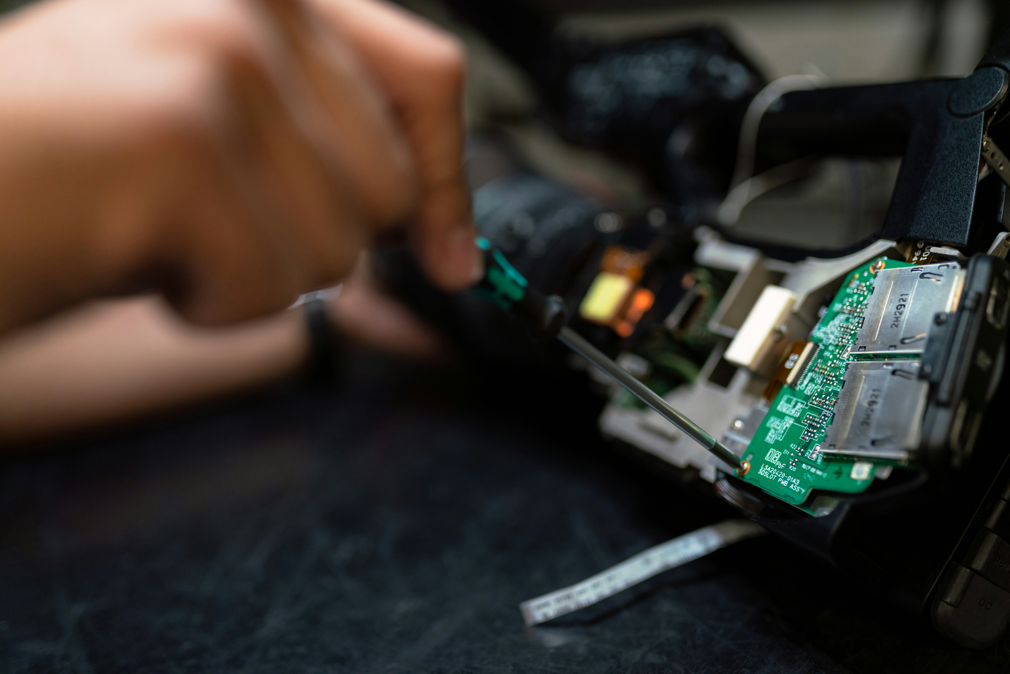
In a network of retail locations, maintenance is not just a technical matter. It’s a cross-functional discipline that, when poorly managed, can severely impact operations. A broken freezer in a city-center convenience store? That’s not just a technical issue—it’s revenue literally melting away. So how do you intervene without disrupting commercial activity? That’s where everything is at stake.
Planning Without Disrupting
Interventions should be invisible—or almost. This requires smart planning that takes into account the store’s rhythm. Avoid peak hours, anticipate critical operations, and prioritize off-peak time slots. Preventing a failure in advance is always less costly than dealing with downtime during busy periods.
Yes, it requires finesse. But that’s precisely what distinguishes reactive maintenance from proactive, performance-driven maintenance.
Speaking the Same Language
Between operations teams and maintenance teams, communication must be seamless—even instinctive. A simple example: when a store manager detects an issue, they should be able to alert the right contact immediately, without navigating a maze of procedures. Conversely, a technician must instantly understand whether an intervention can wait or if it has become urgent.
The key? A clear, shared, and continuously updated criticality framework. And of course, digital tools that allow everyone to see, in real time, what’s happening across the network.
Prioritizing Emergencies
Not all issues carry the same weight. A flickering neon light? It can wait. A payment system failure on a Saturday? Every minute counts. It is therefore essential to establish a hierarchy of interventions based on their immediate impact on operations.
It’s also a matter of common sense. But in a complex network, that common sense must be structured, supported by tools, and shared across teams. Otherwise, you end up constantly chasing emergencies—and falling behind.
A Network Strategy, Not Just a Schedule
Coordinating maintenance and operations is not just about calendars—it’s about overall performance strategy. When a store closes, even for two hours, the entire business model is affected: loss of traffic, loss of sales, loss of trust. And if incidents repeat? The network’s reputation begins to erode.
In other words, the quality of this coordination is a competitive advantage. Those who master it move faster—and with greater confidence.